Building on Waterfront Property in the Kawarthas: What Makes It Different
A waterfront site is not a regular lot with a better view. In the Kawarthas, building near water brings different site conditions, approvals, logistics, costs, and design decisions.
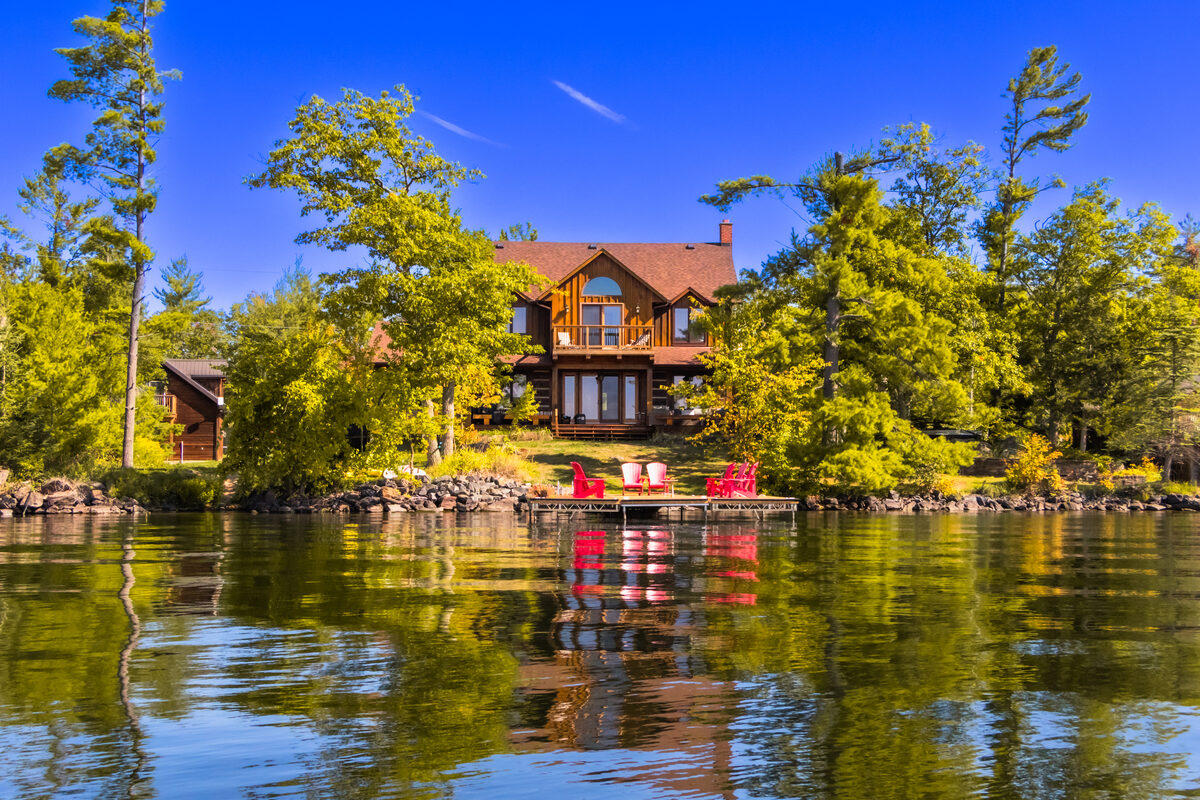
The land behaves differently
Waterfront properties often include slope, rock, limited access, mature trees, drainage challenges, and tight buildable envelopes. The Canadian Shield is beautiful, but it is not passive. It affects foundations, excavation, septic, drainage, staging, and layout.
On these sites, a single rock outcrop, access constraint, or septic location can influence the entire project.
The regulatory layer is heavier
Waterfront construction in Ontario often involves conservation authority approvals, shoreline setbacks, environmental review, septic and well considerations, and sometimes additional studies depending on the property.
These timelines are not optional. A builder experienced in waterfront work maps them early and treats them as part of the schedule, not as a side issue.
Septic and well are design issues
On many Kawartha properties, septic and well systems are not afterthoughts. They are central design constraints. Their placement can determine where the home can sit, what can be added later, and how the property functions over time.
If future bunkies, garages, guest spaces, or boathouses are part of the long-term vision, those possibilities should be considered early.
Access and logistics matter
Not every cottage-country site is easy to reach. Long drives, narrow roads, steep terrain, water access, seasonal conditions, and limited staging areas can all affect cost and timing.
These are not reasons to avoid the work. They are reasons to plan properly.
The lake shapes the design
The view matters, but so do sun, wind, privacy, rooflines, deck placement, window sizing, and how the home feels from the water. A well-designed waterfront home resolves these elements together.
This is where design and build planning need to work together. The best outcome comes when the site, budget, and construction realities are considered alongside the design from the beginning.
The bottom line
Waterfront work carries complexity. Owners who account for that complexity early are more likely to end up with a project that fits the site naturally and holds its budget more honestly.
The wrong approach treats the view as the only difference. The right approach treats the entire site as part of the build.