How to Choose the Right Builder for a Legacy Family Property
A family property is not simply a project. It is a place people return to, gather in, care for, and often hope to pass on. The builder you choose shapes more than the structure. They shape how that place will serve the family for years.
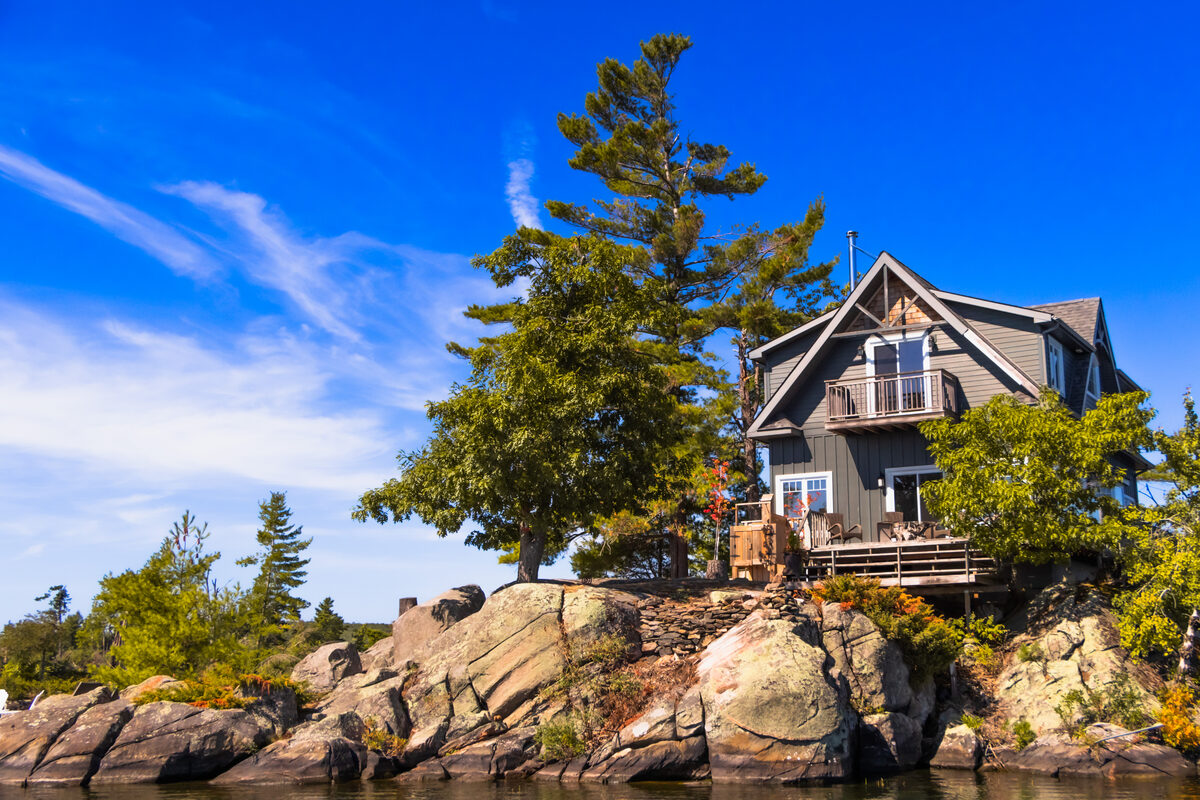
Why legacy properties are different
A legacy property carries more weight than a typical build. It may already hold family history, or it may be built with the hope that future generations will use it. The decisions made during planning and construction can last decades.
That kind of work is less about finding the lowest price and more about trust, fit, durability, and respect for what the property means.
What a legacy property asks of its builder
- Patience with multi-stakeholder decisions, including spouses, adult children, and extended family.
- Willingness to preserve what already matters, not simply replace it.
- Clear communication through planning, construction, warranty, and future care.
- Discipline around durability, even when shortcuts would not be visible right away.
- Respect for the property’s history, setting, and role in the family.
How to recognize the right fit
The right builder asks about the property before rushing into the project. They want to understand what matters, what should remain, what problems need solving, and how the family uses the place.
They should also be comfortable discussing previous long-term client relationships, phased projects, returning to properties over time, and how they manage warranty and follow-up.
They are honest about what is hard
Legacy properties often involve old structures, family expectations, regulatory issues, difficult sites, sentimental attachments, and decisions that affect more than one generation.
The right builder names these realities early. They do not treat them as inconveniences. They treat them as part of the work.
They think about the next generation
Good legacy work asks who will use the property in ten, twenty, or thirty years. Children, grandchildren, aging owners, guests, storage needs, accessibility, maintenance, and future phases should all be part of the conversation.
Questions worth asking
- Tell me about a project you returned to years later.
- What is the longest relationship you have with a client?
- How do you handle decisions when family members disagree?
- How do you protect what matters in an existing property?
- What does your warranty and follow-up process actually look like?
- What would you do differently on a similar project if you could go back?
The bottom line
A legacy family property needs a long-term partner, not just a vendor. The right builder treats the property as something that will outlast the construction contract.
Pay attention to whether the first conversation is about the place, the family, and the long-term outcome. That usually tells you a great deal.