Why Great Design Begins Long Before the First Floor Plan
The best custom homes are not created by talented designers alone. They are created by understanding the people who will live there.
Most people begin thinking about a custom home or major renovation by collecting ideas. It might be a folder of magazine clippings, a Pinterest board that has grown over several years, or photographs taken while visiting homes they admire. By the time they sit down with a builder or designer, they often have a clear picture of what they want their home to look like.
What they are less certain about is how they want it to live.
That may sound like an unusual distinction, but after years of helping families build custom homes, waterfront retreats, and major renovations throughout the Kawarthas, we have found it is often the difference between a beautiful house and a home that continues to feel right twenty years later.
Whether it is a year-round residence, a family cottage, or a property that will eventually be passed from one generation to the next, the projects that stand the test of time almost always begin the same way.
They begin with understanding.
Before We Design the Home, We Get to Know the People
One of the biggest misconceptions about custom design is that the process starts with floor plans. In reality, the first and most important step has very little to do with architecture.
Instead, we spend time learning about the people behind the project.
How does your family spend time together?
What frustrates you about your current home or cottage?
Do you entertain large groups throughout the summer, or are you looking for quiet spaces to enjoy the view with a morning coffee?
Are you building a weekend retreat, a forever home, or a place where future generations will gather for years to come?
The answers to these questions influence the design far more than the number of bedrooms or the style of the roof.
Every family lives differently. Every property has its own opportunities, challenges, and character. The design should respond thoughtfully to both.
A Home Should Support the Way You Live
It is easy to become focused on features. Larger kitchens, vaulted ceilings, expansive windows, covered porches, walk-in pantries, and beautiful outdoor living spaces all have their place.
But features alone do not create great homes.
A well-designed home feels natural. The kitchen is where it should be. The views are framed intentionally. Guests instinctively gather in the right places. Storage is available where it is actually needed. Everyday routines become easier because the home has been designed around the people using it rather than around a collection of rooms.
That level of functionality does not happen by accident. It comes from thoughtful planning, honest conversations, and a willingness to understand how a family truly wants to live before a single line is drawn.
Good Design Balances Vision with Reality
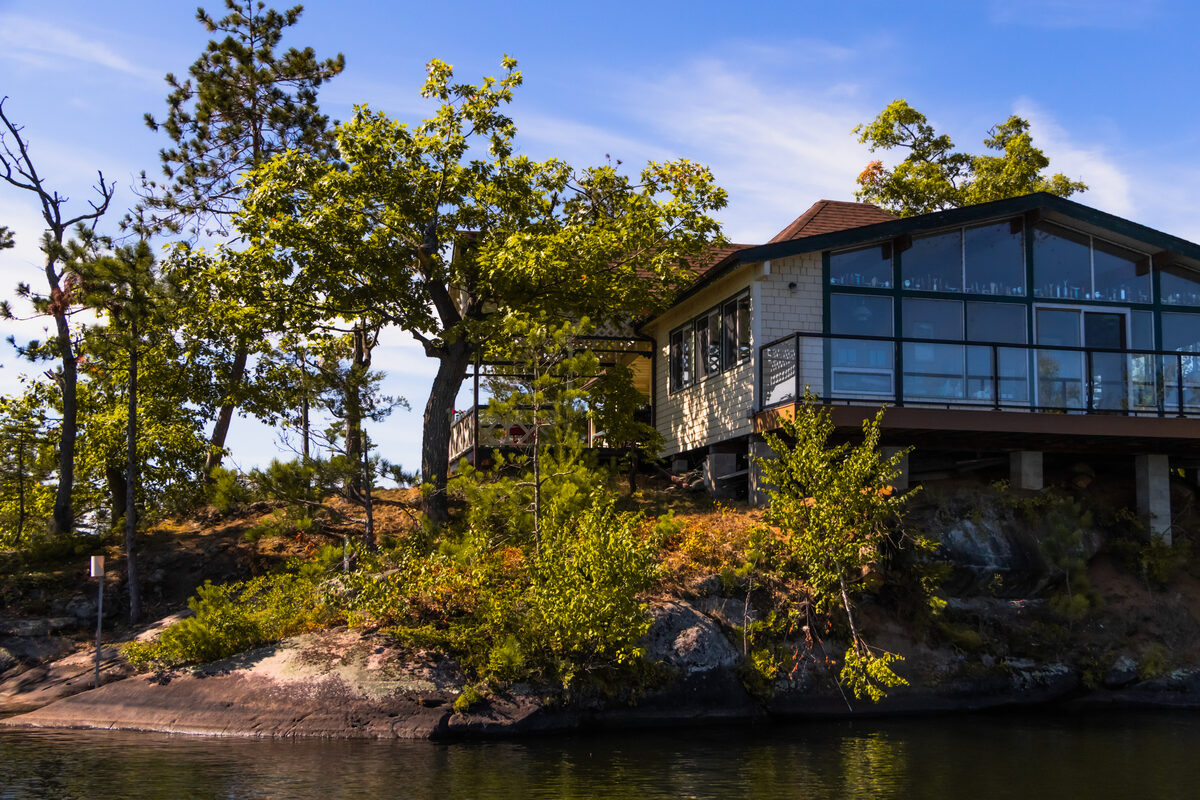
The Kawarthas offers some of the most beautiful building sites in Ontario, but it also presents unique design challenges. Waterfront setbacks, changing elevations, Canadian Shield bedrock, mature trees, shoreline regulations, and breathtaking views all influence the decisions that shape a home.
One of the reasons clients choose a design-build firm is that those realities are considered from the very beginning.
A dramatic wall of glass may capture incredible lake views, but it also affects structural engineering, energy performance, furniture placement, privacy, and budget.
A steeply sloped lot may offer spectacular sightlines across the water while introducing construction challenges that need to be addressed early.
Large outdoor living spaces can transform the way a family enjoys a property, but only if they respond to sun exposure, prevailing winds, access from the home, and the surrounding landscape.
Great design is rarely about saying yes to every idea. It is about understanding how every decision influences the next one and making thoughtful choices that support the overall vision.
The Best Projects Are Built Around Priorities
One of the most valuable conversations we have with clients is not about what they want to include. It is about what matters most.
Every project involves choices. Budget, site conditions, municipal requirements, environmental considerations, and personal priorities all influence the final design.
For one family, preserving a stand of mature pines may be non-negotiable. For another, creating a seamless connection between the kitchen and the outdoor entertaining area becomes the highest priority. Some clients dream about expansive lake views. Others care more about privacy, accessibility, or creating a home where children and grandchildren will always want to return.
Understanding those priorities early allows every decision that follows to support the things that matter most.
Ironically, the homes that feel the most complete are rarely the ones with the longest wish lists. They are the ones where every decision has been made intentionally.
Why the Design-Build Approach Makes a Difference
Traditional project delivery often separates design from construction. Drawings are completed first, and only later does the conversation shift to feasibility, budget, or constructability.
Our approach is different.
Throughout the design process, we are continually evaluating how design decisions affect construction, scheduling, budgeting, long-term performance, and ultimately the experience our clients will have throughout the project. Those conversations happen while ideas are still evolving, not after they have become expensive to change.
This integrated approach creates greater confidence for everyone involved. Clients make decisions with better information, budgets become more reliable, and construction begins with a much clearer understanding of the project.
It is one of the reasons we place so much emphasis on planning before a shovel ever goes into the ground.
Design Is an Evolution, Not an Event
Many clients worry that changing their minds during design means the project is drifting off course. In our experience, the opposite is usually true.
As ideas become drawings and drawings become spaces that people can visualize, priorities naturally evolve. Something that seemed essential at the beginning of the project may quietly disappear. An idea that was never originally considered may become one of the defining features of the home.
That is not indecision. It is the design process doing exactly what it is intended to do.
The objective is not simply to produce drawings. The objective is to create clarity before construction begins.
Building More Than a Home
At Kawartha Lakes Construction, we believe a successful project is built long before construction begins. It starts with listening carefully, asking thoughtful questions, and understanding what matters most to the people placing their trust in us.
When the design reflects your lifestyle, your priorities, and the unique characteristics of your property, construction becomes the next step in bringing that vision to life rather than the point where difficult decisions begin.
Because in the end, we are not simply building custom homes, renovations, or waterfront retreats. We are helping families create the places where summer traditions begin, where children become parents, where grandchildren gather around the table, and where some of life's most meaningful memories will be made.
That responsibility is never lost on us. It is also why our work has always been about more than construction. It is about helping our clients create a place they'll love.